
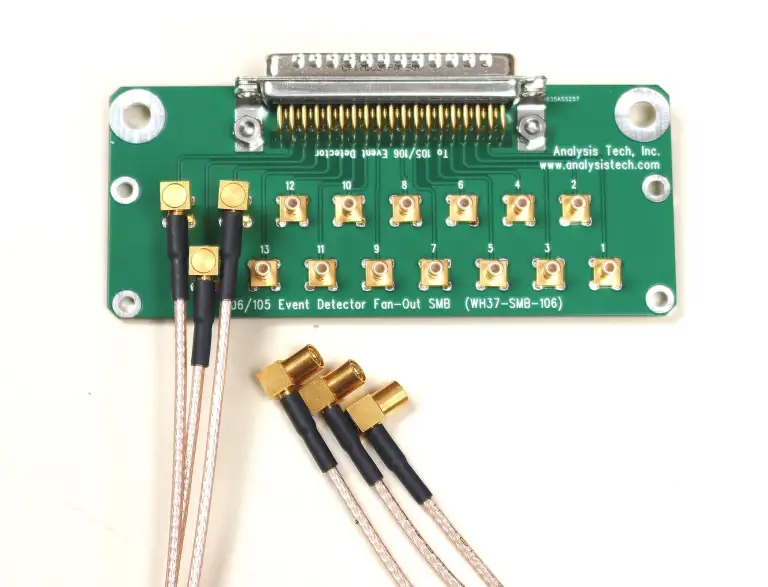
SMB Selection
Selecting the right SMB connector is crucial for ensuring signal stability and system performance in high-frequency applications. Known for its compact design and excellent RF performance, SMB connectors are widely used in communication, medical, and test equipment. This guide covers the key factors, application scenarios, and practical tips to help you make informed decisions when choosing SMB connectors.
SMB Characteristics
Compact Design
SMB connectors feature a small footprint, making them ideal for space-constrained applications such as wireless communication modules and portable test devices.
Ease of Use
The push-fit interface allows for quick and easy connection and disconnection, suitable for applications requiring frequent insertion and removal.
High-Frequency Performance
Supporting frequencies up to 4 GHz, SMB connectors meet the demands of most medium to high-frequency applications, ensuring reliable signal transmission.
Key Factors for SMB Connectors
Frequency Range
Ensure the SMB connector supports your application’s required frequency. For applications near the 4 GHz limit, consider optimized high-performance options.
Insertion and Return Loss
Lower insertion loss minimizes signal degradation, while higher return loss indicates better impedance matching, both critical for high-frequency performance.
Material and Environmental Suitability
Choose materials with resistance to corrosion, high temperature, or moisture as needed. Gold-plated contacts improve durability and conductivity.
Mechanical Performance
In vibration-prone environments, select connectors with robust mechanical structures to prevent contact failure and enhance system reliability.
Typical Applications of SMB Connectors
Communication Equipment: Wireless routers, RF antennas
Medical Electronics: ECG machines, ultrasound devices
Automotive Electronics: In-car navigation, communication modules
Test Instruments: High-frequency testing equipment
Tips for Selection and Maintenance
Collaborate with Suppliers
Provide detailed technical requirements, including frequency range, environmental conditions, and size constraints, to ensure optimal product selection.
Regular Inspection and Maintenance
Clean connector contacts regularly and check for wear or damage. Replace components as needed to maintain performance.
Proper Storage
Store unused connectors in a dry environment and use dust caps to protect the contacts.